IROS 2026 Trends: How AI is Reshaping Robotics
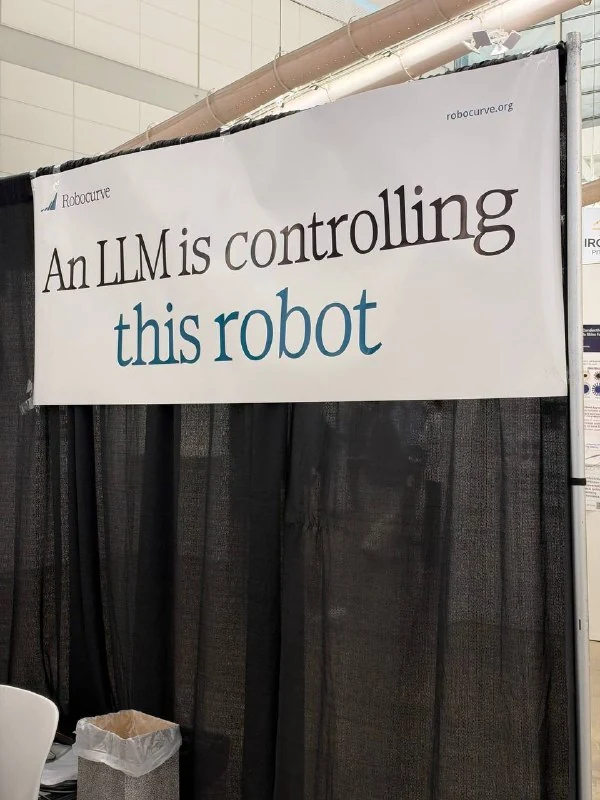
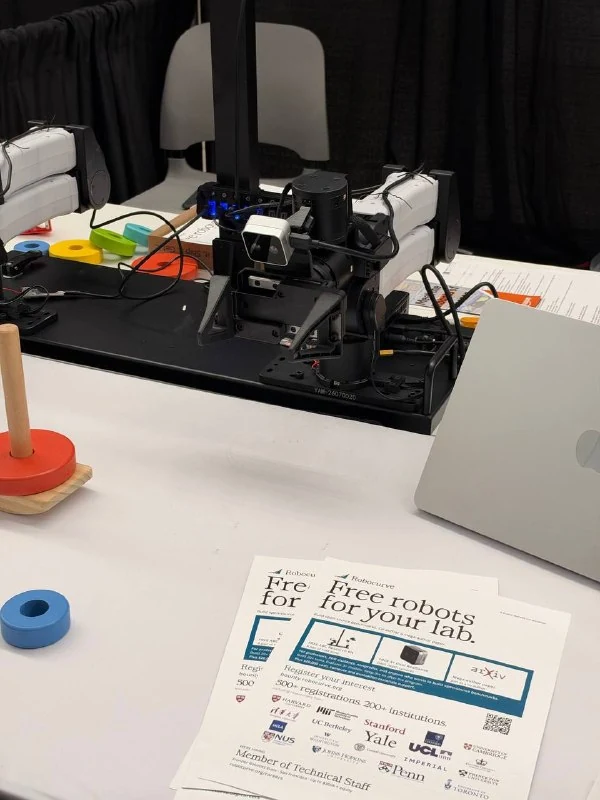
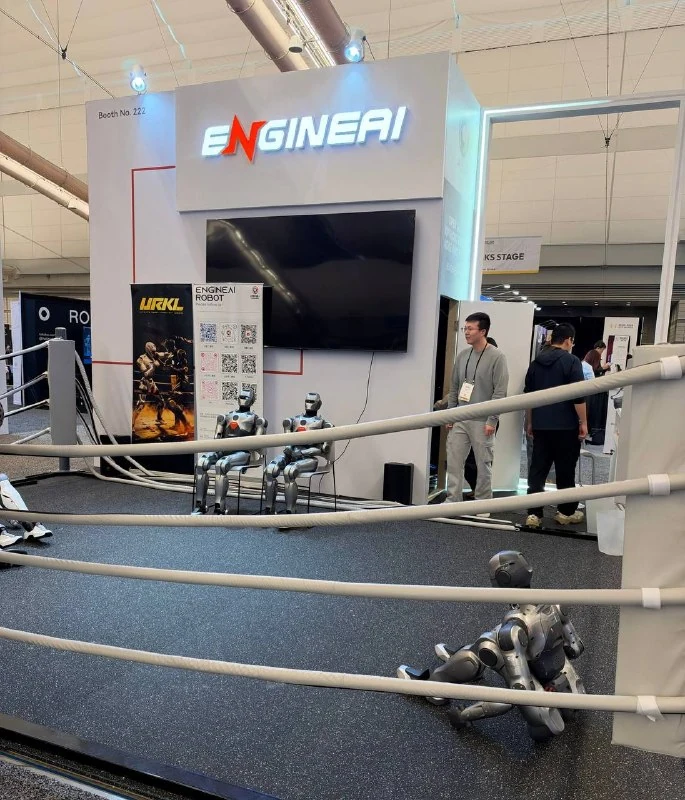
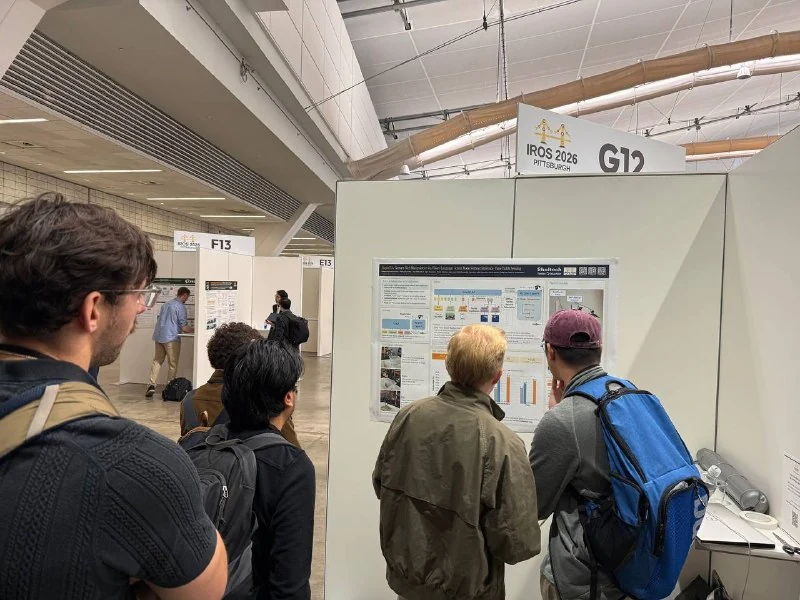
Key takeaways from IROS 2026: the rise of VLA models, tactile AI, and the data bottleneck in robotics.
IROS 2026 Trends: How AI is Reshaping Robotics
IROS 2026 showcases the rapid integration of artificial intelligence into the physical world. Here are the key observations from poster sessions and conversations with researchers:
1. VLA Models Everywhere Vision-Language-Action (VLA) models, which generate robot actions directly from images and text commands, are the theme of the year. The conference program features 8 dedicated sessions on this topic alone.
2. Robots Learning to Feel A significant portion of research focuses on force, contact, and tactile sensors. The community has realized that cameras alone are not enough for effective manipulation.
3. Diffusion and Flow Matching Diffusion models and flow matching architectures are now being used to generate robot movements rather than images.
4. Humanoids There is a massive presence of humanoid robots, covering everything from walking dynamics to whole-body control. In one competition, robots even assembled IKEA furniture autonomously.
5. Data-Driven Learning Reinforcement learning and imitation learning are present in nearly every second paper.
Overall Impression Robotics today seems to be at the stage where language models were a couple of years ago. The models are already capable of a lot, but everything hinges on data: there are still very few real-world robot recordings. While LLMs have the entire internet, robots are just starting to learn.
Why it matters
AnalysisHighlights the transition from purely visual AI to tactile understanding and the urgent need for real-world robot data.
Discuss in community
Share your questions and insights with developers
Related in Ecosystem
Practical guides, core terminology, and agent skills
JSON — Structured Data for Programs, APIs, and AI Agents
A complete hands-on guide to JSON: syntax specifications, serialization via parse and stringify, REST API consumption, JSON Schema validation, and structured outputs for LLMs.
DOCX and XLSX Formats: When AI Needs to Deliver Production-Ready Documents
A comprehensive hands-on guide to generating and processing DOCX documents and XLSX workbooks with AI: comparing against Markdown and CSV, prompt engineering, formula design, and code automation.
Anthropic Publishes Guide to Building Always-On AI Agents
Anthropic has released a new guide covering the core mechanisms behind continuously active AI agents, including event handling, timers, memory, and task continuity.
Freefield: Run a Free Higgsfield-Style AI Studio for Images, Video, and Audio on Your PC
Freefield brings 117 AI tools for creating and editing images, video, and audio to a local PC, using open models such as FLUX 3, LTX-2.5, and Wan without subscriptions or paid APIs.