GPT Image 2.6 vs Seedream 5.5: A Photorealistic Image Generation Test
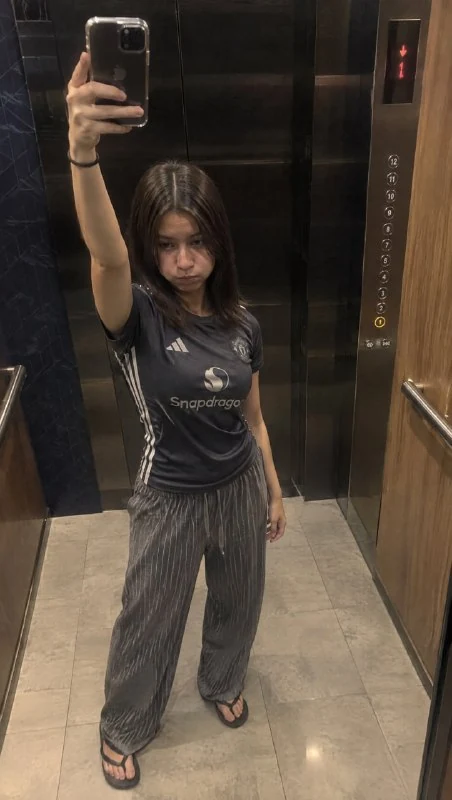
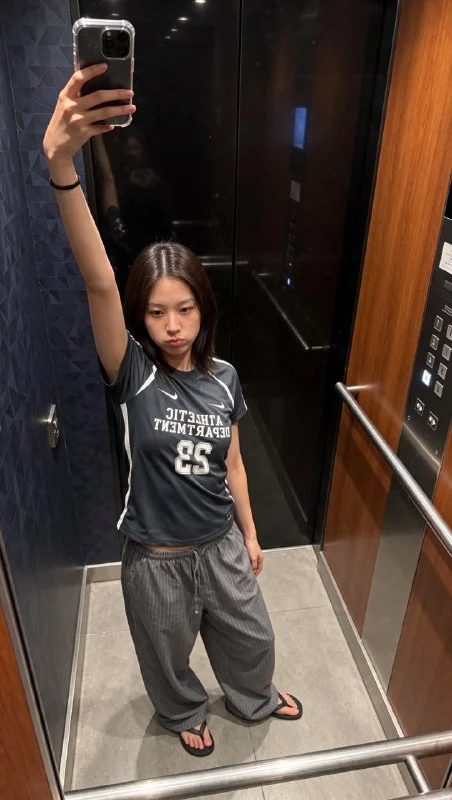
GPT Image 2.6 and Seedream 5.5 were compared on a realistic elevator photo: the Chinese model better imitates an iPhone snapshot but still has detail issues.
GPT Image 2.6 vs Seedream 5.5: A Photorealistic Image Generation Test
GPT Image 2.6 missed the sixth floor, while Seedream 5.5 failed on the buttons. When imitating iPhone photos, the Chinese model looks clearly better, but on one leg it again shows the classic six fingers.
A single image in Seedream 5.5 costs only one cent, and the model is available via Syntx AI. If you avoid fonts and typography, I like it more. ChatGPT imitates the shot as if it were taken on a very old iPhone with different photo-processing algorithms.
On the left — Image 2.6, on the right — Seedream.
The prompt was identical:
Create this image with maximum photographic accuracy.
Scene: A casual full-body mirror selfie inside a modern, dimly lit elevator. Dark navy geometric patterned wall panels on the left, warm brown wood-paneled walls on the right, black reflective elevator doors in the center, illuminated elevator buttons, horizontal silver handrails, and a light gray tiled floor.
Subject: A young woman with straight, shoulder-length dark brown hair parted in the middle, natural facial features, and minimal makeup. She is standing slightly angled toward the mirror, holding a black iPhone with a transparent protective case high above her head with her right arm fully extended. Her phone is positioned in the upper-left corner of the composition. She looks slightly downward at the mirror with puffed cheeks and a playful, serious expression. Her left arm hangs naturally beside her body.
Outfit: A fitted dark charcoal-gray short-sleeve athletic jersey with white side stripes, white sports logos and lettering across the chest, loose oversized gray pinstriped pajama-style pants, and simple black flip-flops. A thin black hair tie around her raised wrist.
Composition: Vertical 9:16 smartphone photo, full-body framing from a slightly elevated mirror-selfie perspective. Subject positioned slightly left of center, raised arm creating a strong diagonal, legs relaxed and slightly apart. Preserve the exact pose, body proportions, camera angle, perspective, outfit, background layout, and framing of the reference.
Photography: Authentic unedited iPhone mirror selfie. Warm overhead elevator lighting mixed with cool ambient reflections, slightly underexposed shadows, realistic skin texture, subtle smartphone grain, natural reflections, imperfect sharpness, and ordinary indoor white balance.
CRITICAL: The result must look like a real spontaneous smartphone snapshot, NOT an AI-generated photograph. No cinematic lighting, no professional photography, no beauty filters, no skin smoothing, no HDR, no artificial sharpness, no color grading, no stylization. Preserve the original reference's realistic colors, exposure, shadows, visual imperfections, and casual everyday aesthetic.
Why it matters
AnalysisThe comparison shows that cheaper image-generation AI models can look more realistic in everyday photos, but still fail on small details and typography.
Discuss in community
Share your questions and insights with developers
Related in Ecosystem
Practical guides, core terminology, and agent skills
GPT Image / DALL-E (Image Generation in ChatGPT)
An integrated visual content generation tool directly within the ChatGPT dialogue. It allows for the creation of illustrations, concept art, poster texts, and local editing of image fragments.
Negative Prompts in Image Generation
A control mechanism in diffusion models (Stable Diffusion, Midjourney --no) that directs the mathematical vector of noise reduction away from unwanted images. It filters artifacts such as extra limbs, blurriness, watermarks, and cartoonish effects.
MiniMax releases H3-Image with native 4K
The new image generator built from the H3 video model produces native 4096×4096 images in six steps and supports long prompts and multiple references.
Prompting in 2026: ChatGPT, Claude, image generation and work assignments
Most people use AI as a search engine: type a short query, skim the answer and close. For reference it works. For everything that is really important - no.