OpenAI Publishes 722 AI-Generated Math Papers Solving Open Problems
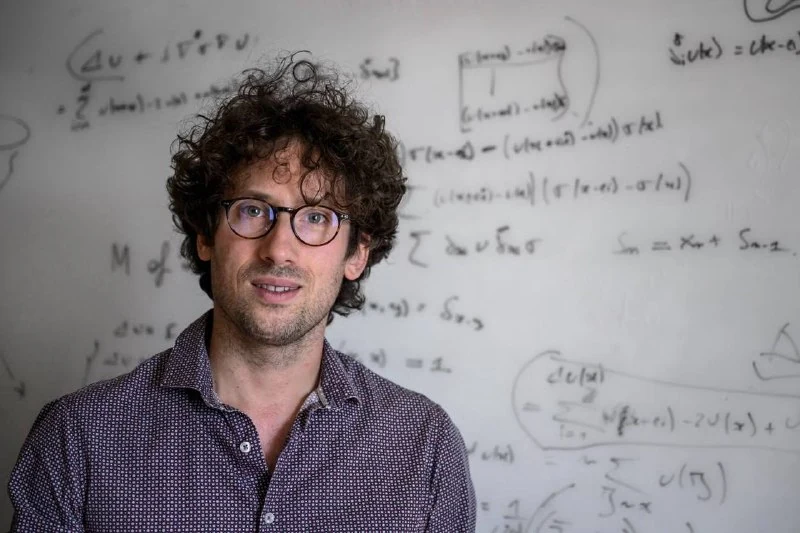
OpenAI released 722 AI-written mathematics papers containing solutions to open problems, prompting an emotional response from Fields Medalist Hugo Duminil-Copin.
OpenAI has released 722 AI-written mathematics papers in open access. Each paper solves an open mathematical problem. The papers were generated by an internal, not-yet-released model and are grouped into 372 families of related works by field.
Hugo Duminil-Copin, a 2022 Fields Medalist, admitted that he cried when OpenAI published 700 AI papers with solutions to open problems.
Duminil-Copin works at the intersection of probability theory and mathematical physics. According to him, 16 of the solved problems directly relate to his field and had been studied by him and his colleagues.
He also said that earlier, in early September, Anthropic had offered a proof of one of the central problems in his area, which he himself had been close to solving.
The researcher explained that he was crying not so much for himself as for younger colleagues, who will be affected most. In his view, AI is undermining the culture of free exchange of ideas because it intercepts results and collects all the good problems.
According to Duminil-Copin, startups are deliberately demonstrating that they can overpower mathematicians. He called it the dismantling of their professional activity.
He does not dispute the value of the AI-generated solutions themselves, but repeats a criticism shared by many other scientists: the presentation of the results.
In September, several Fields Medalists wrote an open letter touching on this issue. At the time, OpenAI promised to take the concerns into account and received publication recommendations from an advisory committee at Princeton.
However, the drop of more than 700 papers dated 6 October does not meet those recommendations. Formalization was provided for less than half of the results, three papers have already been withdrawn due to errors, and many experts consider the texts completely unreadable even for professionals.
Why it matters
AnalysisThis shows that AI is moving beyond text generation toward contributing to open mathematical research. At the same time, issues of formalization, readability, and impact on scientific culture remain unresolved.
Discuss in community
Share your questions and insights with developers