Erdős Problems Could Be Solved by 2028
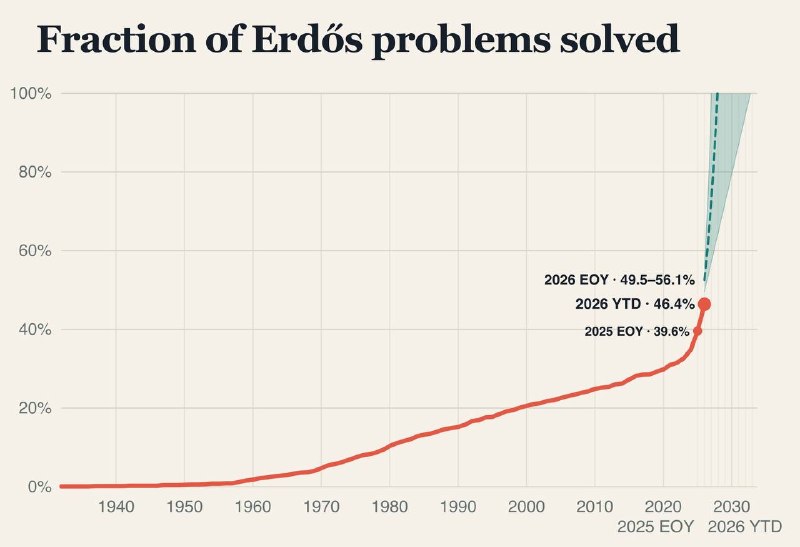
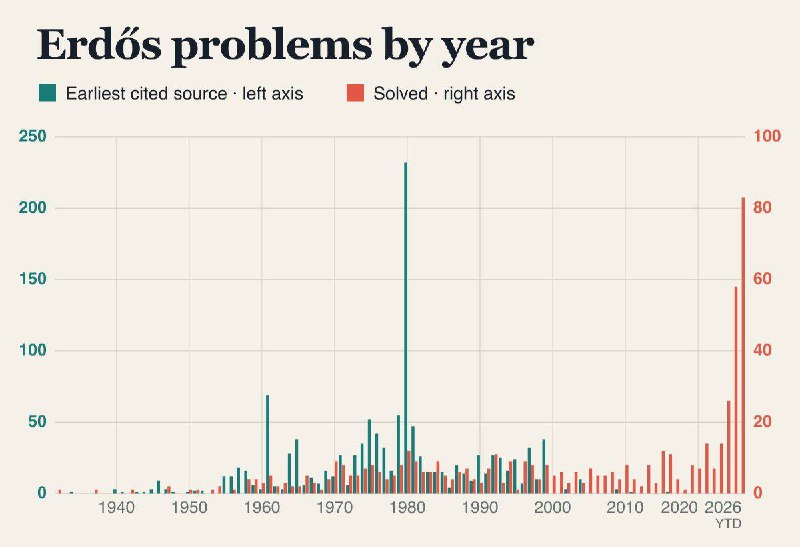
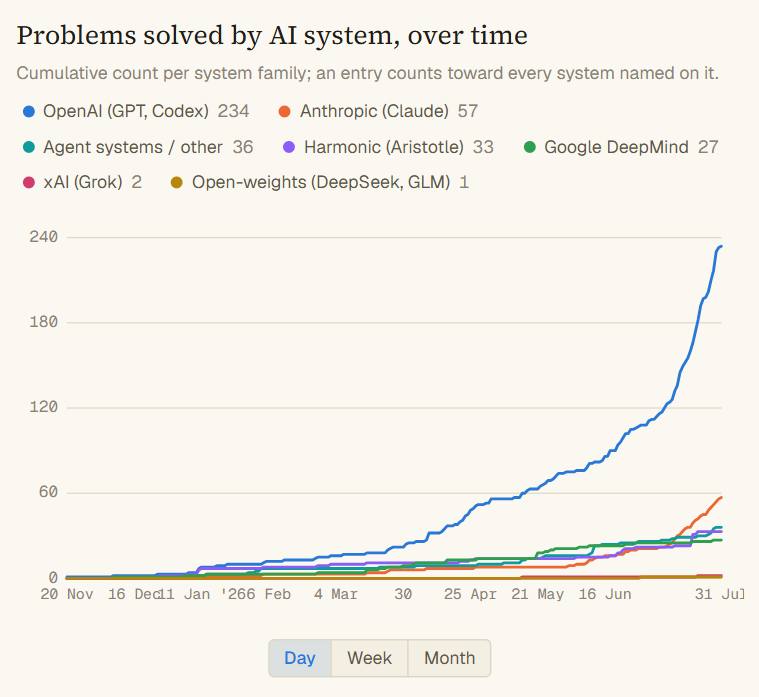
In 2026, a record number of Erdős problems were solved, and if the current pace continues, they could all be resolved by 2028.
Fun fact: If the current progress is maintained, all Erdős problems could be solved by 2028.
In 2026, more Erdős problems were solved than ever before. Even considering that the remaining problems are the most difficult and least studied, this is a realistic forecast if the current progress continues.
It's interesting to think about how soon models will be able to find new open problems themselves?
Why it matters
AnalysisThis is important as solving Erdős problems could significantly impact the development of mathematics and artificial intelligence, opening new avenues for research.
Discuss in community
Share your questions and insights with developers
Related in Ecosystem
Practical guides, core terminology, and agent skills
JSON — Structured Data for Programs, APIs, and AI Agents
A complete hands-on guide to JSON: syntax specifications, serialization via parse and stringify, REST API consumption, JSON Schema validation, and structured outputs for LLMs.
DOCX and XLSX Formats: When AI Needs to Deliver Production-Ready Documents
A comprehensive hands-on guide to generating and processing DOCX documents and XLSX workbooks with AI: comparing against Markdown and CSV, prompt engineering, formula design, and code automation.
Binance publishes investigation into $6.3 billion theft
Binance’s investigation links the theft to a modified Homebrew download, a fake interview and abuse of an internal AI tool.
Reddit user explains why Claude Code weekly limits are burning almost 4x faster
A Reddit user compared token usage across two weeks and found that each 1% of Claude Code's weekly limit now yields far fewer output tokens, pointing to subagents, reasoning time, and UI refresh requests as likely causes.