Tim Berners-Lee: The Inventor of the World Wide Web Who Could Have Been a Trillionaire
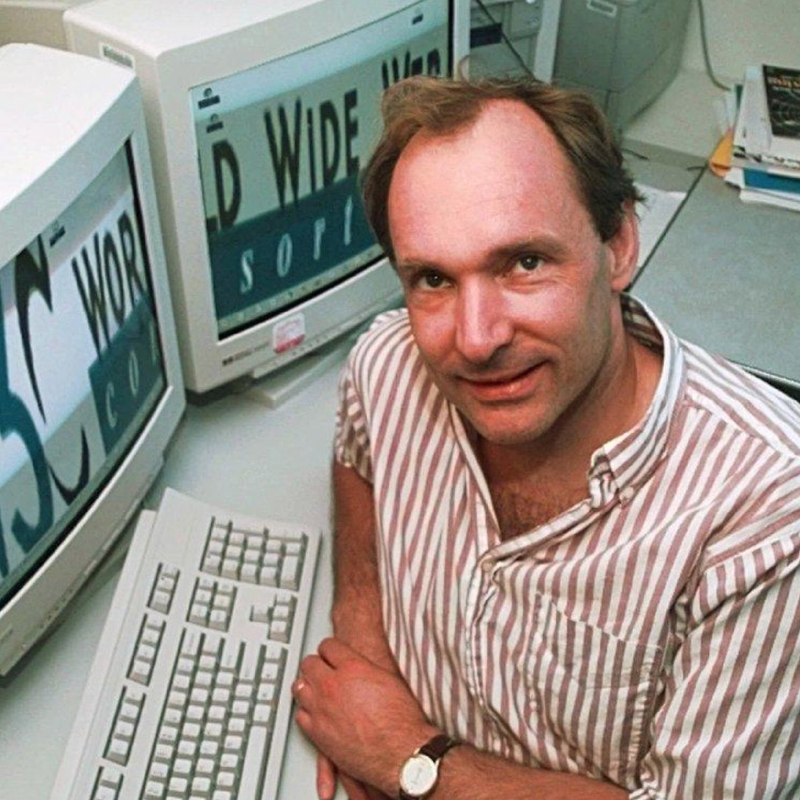
Tim Berners-Lee, the inventor of the World Wide Web, could have become a trillionaire but chose not to patent his technologies. His decision laid the foundation for the modern internet.
Tim Berners-Lee, the person who invented the World Wide Web, could have been the first trillionaire instead of Elon Musk. But he decided not to do so.
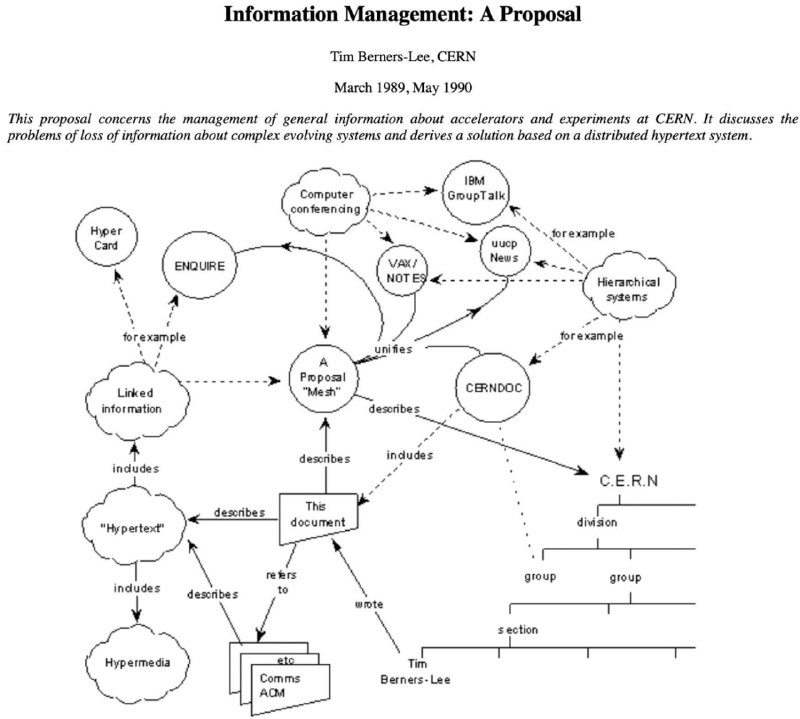
In 1989, while working at CERN, he created HTTP, HTML, and the URL system. Essentially, the entire architecture on which the internet still operates today.
He never tried to turn this into a closed commercial product.
In 1993, CERN's management signed a two-page document that transferred all technology into the public domain.
Around the same time, the competing Gopher protocol attempted to charge licensing fees for similar technology.
Today, almost no one remembers the name Gopher.
Berners-Lee explained his decision very simply:
"If I had patented the World Wide Web, I could have become a billionaire. But I didn't, and I'm glad about it."
He created the foundation of an industry that today is worth trillions of dollars and did not take a share of it.
In 2021, he sold the source code of the first version of the World Wide Web as an NFT for $5.4 million.
He donated all the money to charity.
Why it matters
AnalysisThis story highlights the importance of open technologies and their impact on industry development. Berners-Lee's choice to forgo patenting demonstrates an ethical approach to innovation.
Discuss in community
Share your questions and insights with developers
Related in Ecosystem
Practical guides, core terminology, and agent skills
Storytelling Prompts: How to Build Worlds, Characters, Dialogue, and Quests
A master collection of 70 battle-tested prompts for writers, narrative designers, and game developers: worldbuilding, character psychology, branching dialogue, and quests.
Hallucination Risks in Real-World Tasks
An analysis of the practical consequences and legal risks arising from blind trust in fabricated facts and false sources generated by language models in financial reports, legal claims, and medical advice.
How to Build a Custom Design System in Claude Design: From Moodboard to Animated Mascot
Complete practical guide to building a brand design system in Claude Design: visual references, 4 diverging concepts, tokenization, stress-testing, and animated SVG mascot design.
Agent-to-Agent Protocol (A2A)
An open standard for network interaction, decentralized discovery, and secure context exchange between independent AI agents across various vendors and platforms.