Jensen Huang Steps Down as NVIDIA CEO
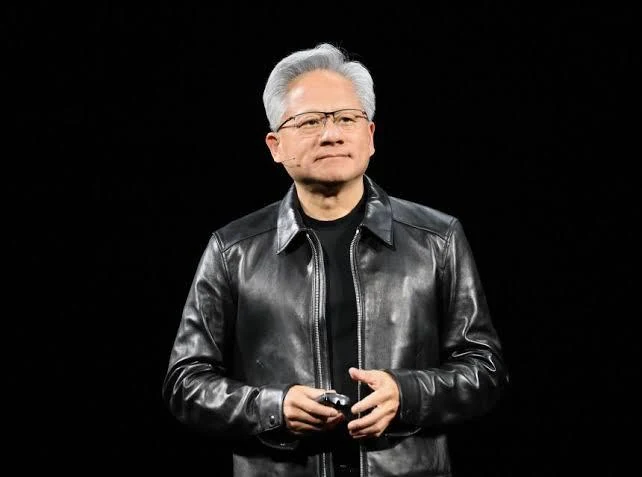
NVIDIA founder Jensen Huang has left his roles as president and CEO and stepped down from the board of directors. CFO Colette Kress has been named interim CEO while the board searches for a permanent successor.
Jensen Huang, the founder of NVIDIA, has stepped down as president and CEO and has also left the board of directors. The transition was announced by NVIDIA.
Huang led NVIDIA since the company was founded in 1993. His departure marks the end of an era for the chipmaker that has become a key supplier of computing infrastructure for AI.
NVIDIA named Chief Financial Officer Colette Kress as interim CEO. The board of directors has already begun searching for a permanent successor.
Why it matters
AnalysisNVIDIA is one of the most important companies in the AI hardware ecosystem, so a leadership change could affect strategy, partnerships, and product roadmaps.
Discuss in community
Share your questions and insights with developers
Related in Ecosystem
Practical guides, core terminology, and agent skills
Jensen Huang reportedly considering return to Nvidia CEO role
Jensen Huang is said to be discussing a possible return as Nvidia’s CEO with trusted advisers, while pressure on the board and support from tech leaders grow.
Stand with Jensen website calls for NVIDIA board to return Jensen Huang as CEO
An open letter on a petition site urges NVIDIA’s board to restore Jensen Huang as CEO, with more than 36,000 signatures reportedly gathered and public support from Elon Musk.
Markdown Format: The Complete Guide for AI Workflows and Automation
A comprehensive hands-on guide to Markdown syntax for AI development: CommonMark standards, heading hierarchy, GFM tables, character escaping, system prompts, and CLAUDE.md guidelines.
Nvidia's Monopoly and the CUDA Platform
An analysis of Nvidia's technological and economic dominance in the AI market. The CUDA (Compute Unified Device Architecture) platform, created in 2006, transformed ordinary gaming GPUs into the planet's primary computational tool, making it difficult for competitors like AMD and Intel to break this monopoly.