Service estimates the risk of being banned by Anthropic
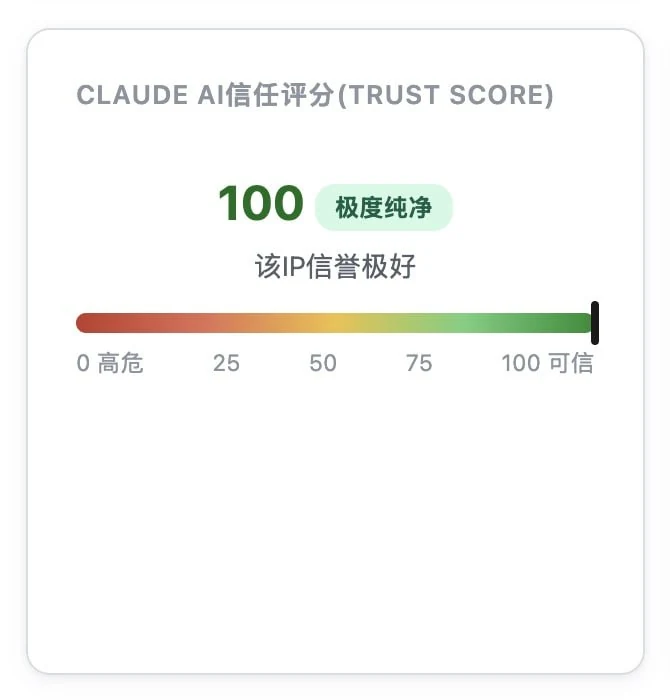
Chinese developers launched a tool that analyzes IP address, country, ISP, connection type, DNS and WebRTC leaks to score trust from 0 to 100 for Anthropic-related access.
Chinese developers have released a service that checks how high the risk is of getting banned by Anthropic.
The service analyzes your IP address, determines the country, ISP and connection type, checks for DNS and WebRTC leaks, and then assigns a trust rating from 0 to 100.
Ideally, all indicators should be green.
Why it matters
AnalysisIt helps users understand how their network fingerprint and leaked identifiers may trigger automated access restrictions from AI platforms.
Discuss in community
Share your questions and insights with developers
Related in Ecosystem
Practical guides, core terminology, and agent skills
Anthropic publishes 90-minute masterclass on building reliable AI agents
Anthropic engineers released a 90-minute technical masterclass on creating Claude Managed Agents, covering harness architecture, skills, memory systems, context management, multi-agent orchestration, and learning from previous sessions.
Anthropic Spends More on Internal Claude Use Than on Employee Salaries
Anthropic disclosed in its IPO filing that internal Claude usage has exceeded employee salaries when priced at customer rates.
Computer Use via AI
Anthropic's technology (introduced in Claude 3.5 Sonnet) enables neural networks to control operating systems like a human: taking screenshots, analyzing window coordinates, moving the mouse cursor, clicking buttons, and entering text without using specialized APIs.
Constitutional AI (RLAIF)
A behavior alignment method developed by Anthropic (creators of Claude). Instead of relying on millions of hours of human labor, the model critiques and corrects its own responses based on a clear set of ethical principles ('Constitution').