Ubuntu Switches to Weekly Kernel Updates Due to AI

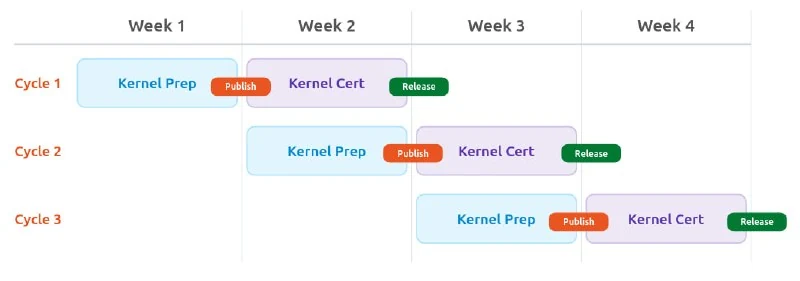
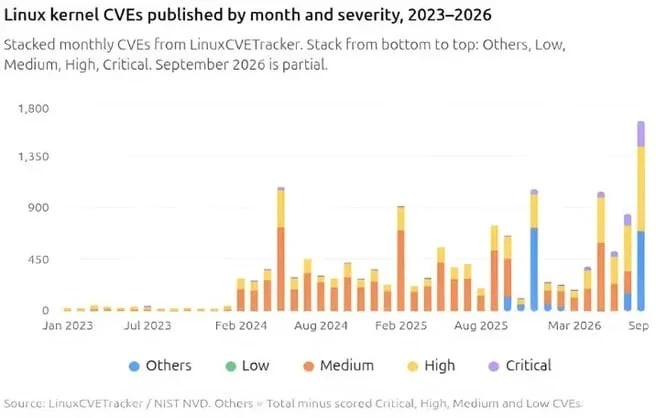
Canonical is moving to a weekly Linux kernel update release strategy because AI discovers vulnerabilities faster than human developers can patch them.
Canonical has announced a shift in its Linux kernel update release strategy. Starting now, security patches and bug fixes will be released on a weekly basis rather than following the traditional schedule.
The primary driver for this change is artificial intelligence. Modern AI models are capable of automatically scanning code and discovering vulnerabilities (CVEs) and bugs much faster than human developers can fix and publish them. To maintain system security, Canonical has decided to adapt to this new reality by accelerating its release cycle.
You can read the full announcement in the official Canonical blog.
Why it matters
AnalysisThis highlights how AI is fundamentally changing open-source workflows, forcing vendors to adapt their infrastructure to the speed of automated vulnerability discovery.
Discuss in community
Share your questions and insights with developers
Related in Ecosystem
Practical guides, core terminology, and agent skills
Hetzner VPS Setup
From a blank server to a secured production-ready machine. Choose how you want to set up your server.
eBPF Security & Runtime Auditing
A technology for safely executing bytecode directly within the Linux kernel (eBPF / Tetragon / Falco) to intercept dangerous system calls (syscalls), network connections, and file modifications by AI agents.
VPS Hardening
A systematic process of configuring and reducing the attack surface of the Linux operating system on a virtual server through privilege restrictions, cryptographic isolation, and network auditing.
Part II. How to Work with Codex + Optimization/Security/Team
Codex is not just code autocomplete in a chat; it is a full-fledged engineering agent: it reads the repository, plans changes, edits files, runs tests, reviews its own diffs, and c...