Official: GPT-6 Sol and Luna Released
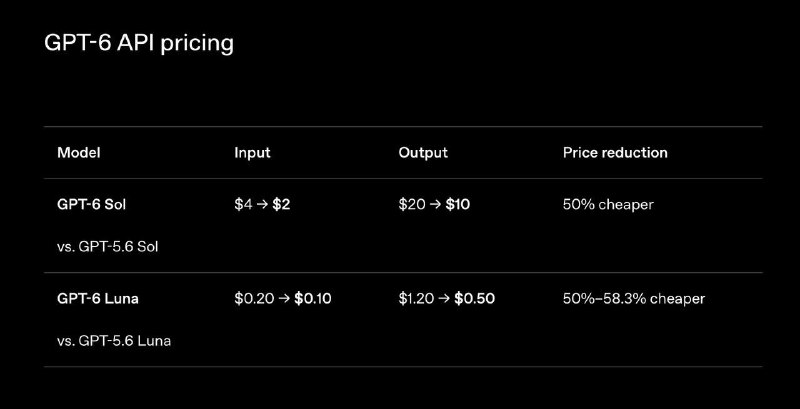
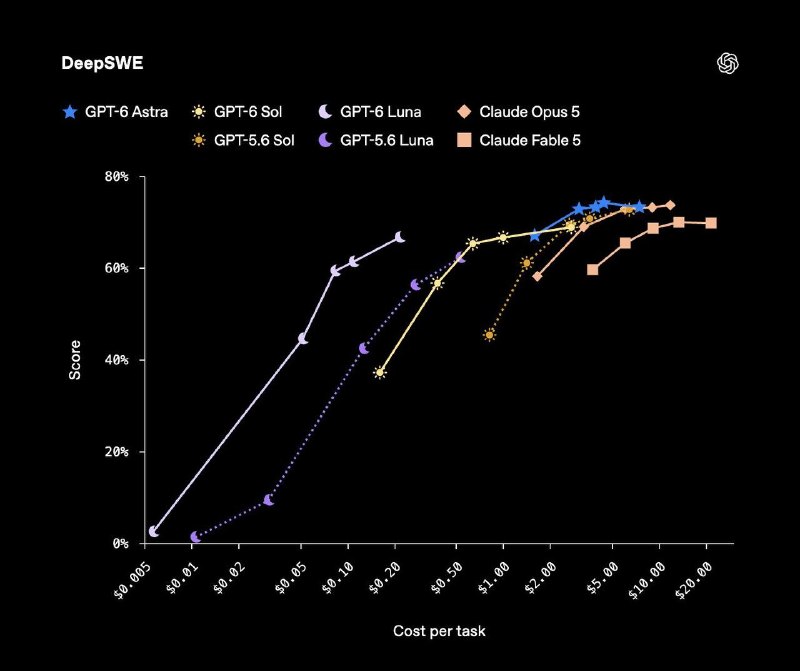
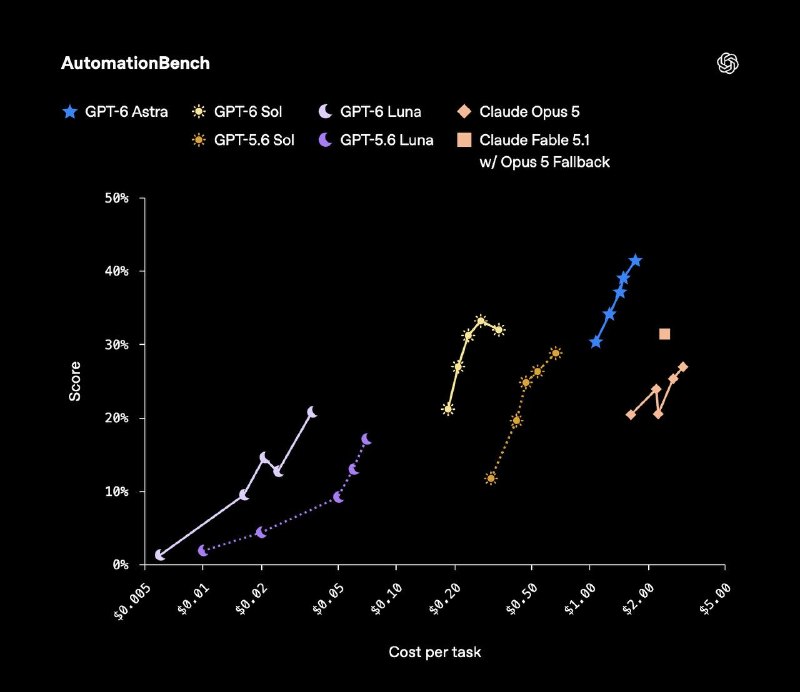
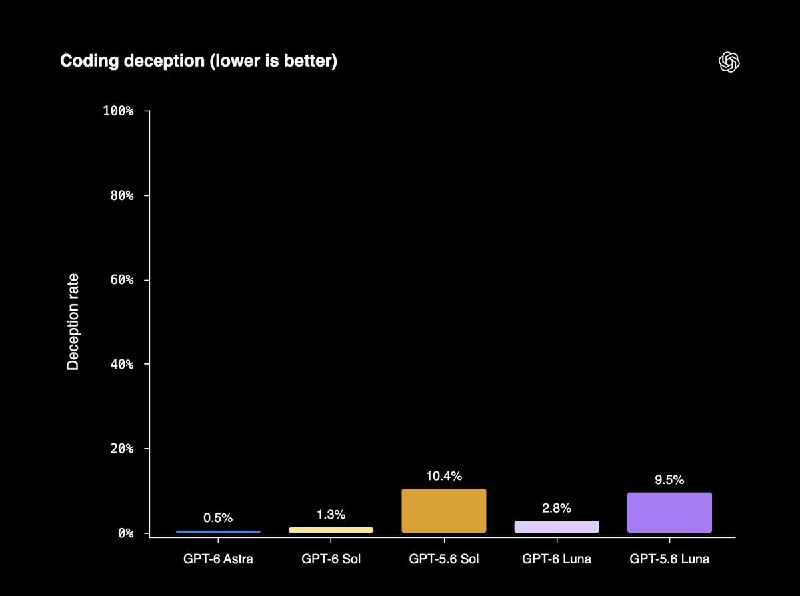
The latest models in the GPT-6 series, Sol and Luna, have been officially released, marking a new milestone in AI development.
The Next Generation of GPT
The developer has officially announced the release of new artificial intelligence models from the GPT-6 line: GPT-6 Sol and GPT-6 Luna.
These models represent the next step in the evolution of large language model architectures. Details regarding technical specifications, benchmarks, and access conditions for developers are expected in upcoming official publications.
Why it matters
AnalysisThe release of GPT-6 could significantly reshape the AI services market by offering new levels of performance and capabilities for developers.
Discuss in community
Share your questions and insights with developers
Related in Ecosystem
Practical guides, core terminology, and agent skills
Part I. AI Agent Architecture: The Foundations
The eleven foundational building blocks of modern autonomous agents: model taxonomy, the agentic runtime loop, advanced prompting, distillation, skills architecture, memory systems, function calling, and FinOps.
Part II. AI Agent Architecture: From Model to Memory and Tools
A deep engineering dive: tokenization, KV-cache, sampling determinism, the training stack, quantization, context engineering, the safety stack, production RAG, ReAct, and multi-agent swarm systems.
Frontier Models
The most powerful class of artificial intelligence at the forefront of global research (Claude 3.7 Sonnet, OpenAI o3/GPT-4.5, Gemini 2.0 Pro), defining the limits of modern reasoning, autonomy, and coding capabilities.
LLM (Large Language Model)
A fundamental class of neural network architectures based on autoregressive transformers, predicting the probabilistic distribution of subsequent tokens and demonstrating emergent properties of abstract reasoning, code synthesis, and logical inference.