Linux Gains Thunderbolt Support on Apple Silicon

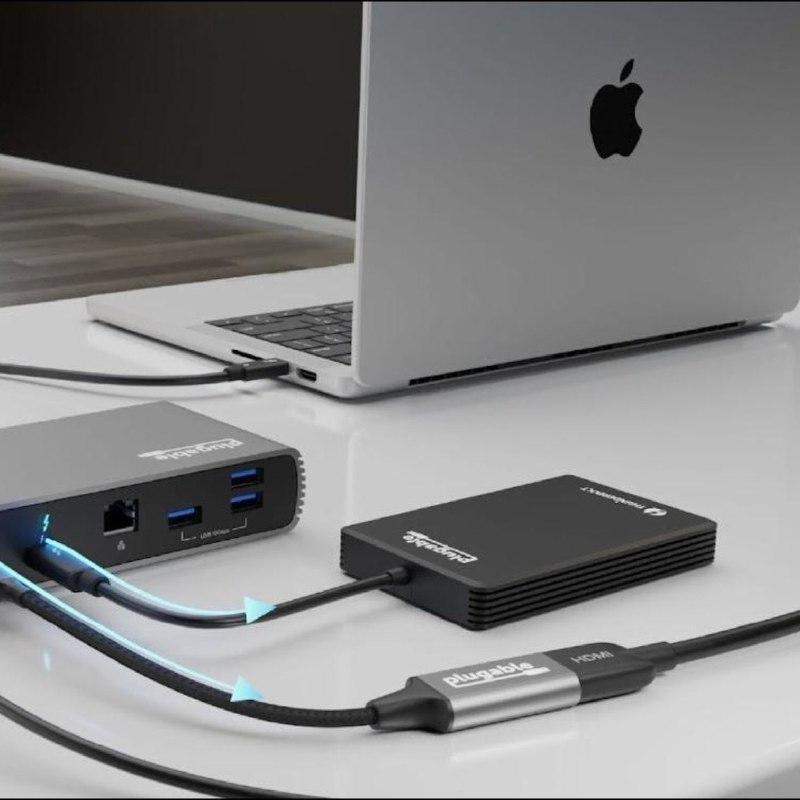
Linux has gained initial Thunderbolt support for Apple M1–M3 chips thanks to the efforts of the Asahi Linux team. This is a significant step towards integrating Apple technologies into open-source software.
Linux Gains Thunderbolt Support on Apple Silicon
Today, Linus Torvalds released the first release candidate of the Linux kernel 7.3. It includes initial support for USB4 and Thunderbolt for Apple M1–M3 chips.
Asahi Linux, a small team of enthusiasts, spent years reverse engineering Apple hardware to make this possible. Now, their work is officially integrated into the main Linux kernel.
RC1 is not the final release yet. It means that the changes have been recorded, and there are several weeks of testing ahead before the release of Linux 7.3, which is expected around mid to late October.
Why it matters
AnalysisThis release is an important step in the development of Linux on Apple platforms, opening up new possibilities for users and developers. Thunderbolt support will allow for greater peripheral device compatibility with Apple Silicon Macs.
Discuss in community
Share your questions and insights with developers
Related in Ecosystem
Practical guides, core terminology, and agent skills
How to Run DeepSeek-R1 Locally for Free on Mac, Windows, and Linux
Tired of the limitations of cloud services and constant payments for DeepSeek-R1 API? You are not alone. Many developers, AI users, and researchers want complete control over their data and workflows.
Hermes Profile: DevOps Engineer & Cloud Infrastructure
Hermes systems and DevOps engineering profile: Linux server hardening, Docker containerization, CI/CD automation pipelines, observability, and security.
cgroups v2 Resource Quotas & OOM Watchdogs
Linux kernel mechanisms (Control Groups v2) for enforcing strict hardware limits on RAM, CPU, disk, and process counts (PIDs) to protect the host from runaway agent cycles.
eBPF Security & Runtime Auditing
A technology for safely executing bytecode directly within the Linux kernel (eBPF / Tetragon / Falco) to intercept dangerous system calls (syscalls), network connections, and file modifications by AI agents.