Fedora Discusses Replacing LibreOffice with Collabora Office
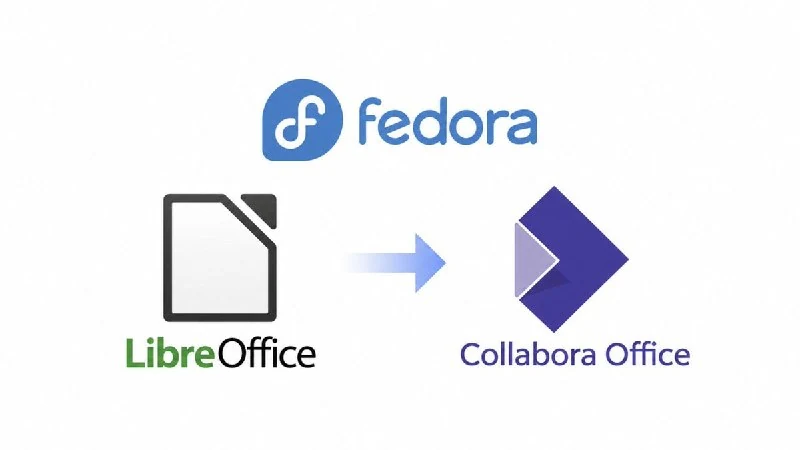
The Fedora community is actively debating the potential replacement of the default LibreOffice suite with Collabora Office due to its more modern interface.
Fedora Discusses Replacing LibreOffice with Collabora Office
Instead of the traditional suite, the community proposes Collabora Office — an open-source office suite based on LibreOffice code, but featuring a more modern interface.
The discussion began with a proposal to remove LibreOffice from the standard Fedora installation and replace it with Collabora. Since then, this topic has become one of the most discussed in the Fedora community this week.
Nothing has been approved yet, and there is no official proposal to change Fedora. However, replacing one of the most recognizable default Linux applications is being seriously discussed.
Why it matters
AnalysisChanging the default software stack in a major distribution affects millions of users and could accelerate the adoption of more modern UI/UX solutions in the open-source world.
Discuss in community
Share your questions and insights with developers
Related in Ecosystem
Practical guides, core terminology, and agent skills
Epic Games Launcher Plans Support for SteamOS, Fedora, CachyOS and Omarchy
Epic Games is expanding Linux support in its launcher and plans to restore AppImage, but Fortnite on Steam Deck still depends on anti-cheat compatibility.
Hermes Profile: DevOps Engineer & Cloud Infrastructure
Hermes systems and DevOps engineering profile: Linux server hardening, Docker containerization, CI/CD automation pipelines, observability, and security.
How to Run DeepSeek-R1 Locally for Free on Mac, Windows, and Linux
Tired of the limitations of cloud services and constant payments for DeepSeek-R1 API? You are not alone. Many developers, AI users, and researchers want complete control over their data and workflows.
cgroups v2 Resource Quotas & OOM Watchdogs
Linux kernel mechanisms (Control Groups v2) for enforcing strict hardware limits on RAM, CPU, disk, and process counts (PIDs) to protect the host from runaway agent cycles.