Blue Phone, an AI-Agent Smartphone Pitched as an iPhone Rival
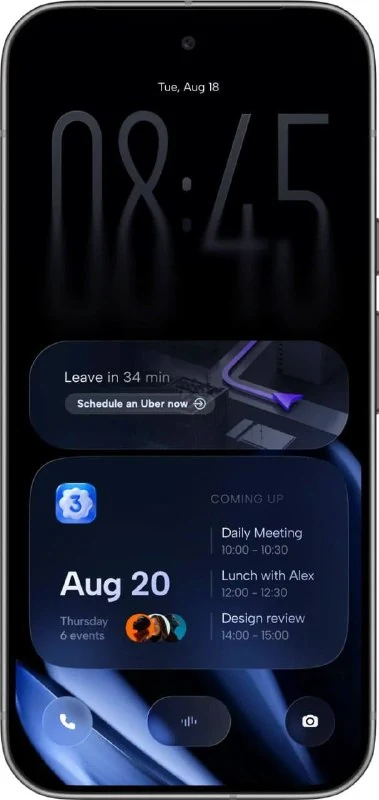
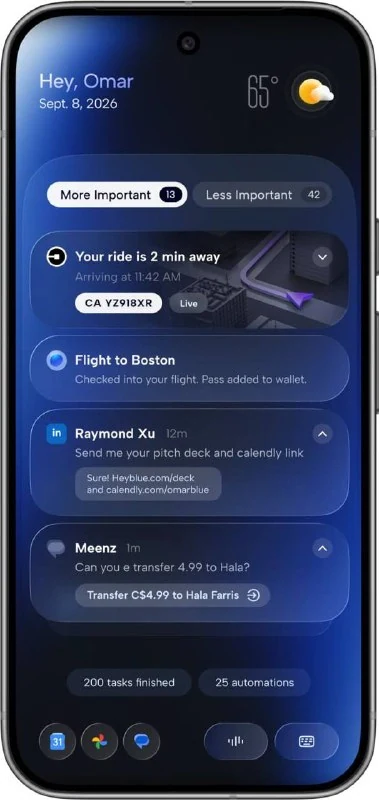
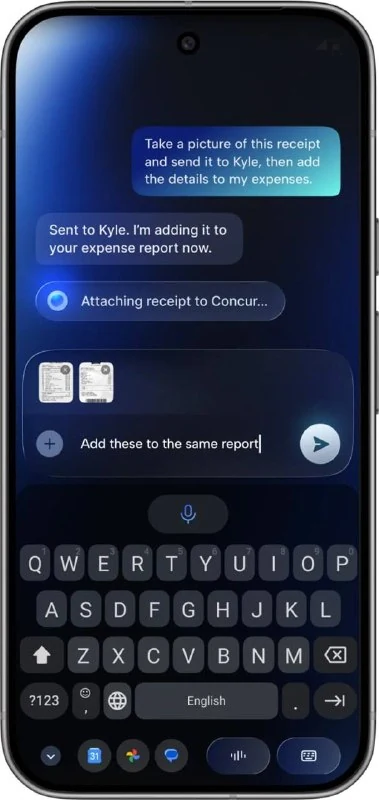
Blue Phone is a US smartphone built around AI agents, promising complex command execution and user-habit memory ahead of a planned 2027 release.
Blue Phone, a new smartphone from the United States, is being pitched as an “iPhone killer.” The device is built around AI agents and is designed to be controlled primarily through conversation, according to its official site.
The developers claim the phone can execute commands of any complexity and remember subtle user habits. The “iPhone killer” framing is not just a cliché: the team says it wants users to leave Apple devices behind and switch to Blue Phone.
The company also emphasizes a simplified data migration path from iPhone. In its marketing, it says ten Apple users were given Blue Phone devices and, after a few weeks, none wanted to return to an iPhone.
The price is listed as $1,299. A beta launch is planned for December, with an official release expected in Q3 2027.
Would users really leave Apple for a phone built around AI agents?
Why it matters
AnalysisIf it ships, Blue Phone could signal a shift from app-centric smartphones toward conversational AI devices where agents manage tasks across the system.
Discuss in community
Share your questions and insights with developers
Related in Ecosystem
Practical guides, core terminology, and agent skills
Anthropic Publishes Guide to Building Always-On AI Agents
Anthropic has released a new guide covering the core mechanisms behind continuously active AI agents, including event handling, timers, memory, and task continuity.
Loop Engineering: Architecture of Autonomous Agentic Loops and the Post-Prompting Era
A deep dive into Loop Engineering: self-sustaining execution loops for Claude Code and autonomous agents, the DOER/CHECKER topology, deterministic verification, the /goal primitive, and reward hacking mitigation.
Claude Code /goal: Autonomous Agent Execution Without Human Intervention
Claude Code is a tool for working with code directly from the terminal. By default, it works in step-by-step mode: you write a request, get an answer, write again. The /goal command fundamentally changes this logic.
Short-Term and Long-Term Memory of Agents
The architecture of multi-tier memory for autonomous agents. It distinguishes between Short-Term Memory (active context window of the current session) and Long-Term Memory (vector databases, user profile files, and episodic diaries).